new to lab

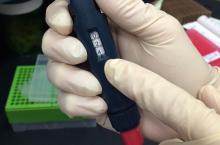
person holding a pipettor, wearing gloves, pointing to the numeric window on the pipettor

—from the Lab Manager's bench

The mysterious ways of mentors

Most mentors do a solid job informing a new undergrad of the basic requirements of a research position. Typically, they cover the expected time commitment, lab safety procedures, lab dress code, and guidelines for writing a pre-proposal or end-of-semester report. When it comes to working at the bench, most mentors remember to share technical tricks with a new researcher, and offer guidance on getting organized, programing equipment, and finding research supplies.

But sometimes, because we have been in science for a long time or because we are distracted by our own research goals, we forget what it was like to be a new undergrad adjusting to a professional lab environment.
12
Sep

Notebook Keeping: Quick Tips to Get Started

—from the Lab Manager's bench

Ideally, on your first day as an undergrad in the lab, your mentor will give a thorough tutorial on proper notebook keeping.

Unfortunately, from the inquires I regularly receive from undergrads, (and grad students and postdocs who mentor undergrads), notebook keeping is often an afterthought until a few weeks have passed.

01
Aug

10 Things to Expect Your First Semester of Research

A gloved finger holding a microfuge tube and a pipette tip being placed in the tube

—from the Lab Manager's bench

Even if you have previous lab experience from a high school or college lab class, the first few weeks of a new research experience in a professional research lab will have its challenges, surprises, and likely be quite different from what you're expecting.

—from the Lab Manager's bench

We heard from an undergrad in the lab about an awkward situation involving a friend in search of a research position. As usual, we edited the conversation for brevity and to remove identifying details so the student remains anonymous.

Label Bottle Tops

At the start of a wetlab research experience, there is often more information to learn than is possible to remember. Even those who take great notes inevitably lose some details. One of the most common mistakes a new researcher makes is storing a chemical or reagent incorrectly.

23
Aug

Why Choose Research?

Why Choose Research?

—from the PI’s Desk and the Lab Manager's bench

If you’re considering undergraduate research, you probably already know some of the potential benefits: looks good on your resume, can help you explore a potential career path, and can lead to recommendation letters.

However, an undergraduate research experience can also support your long-term professional goals (regardless of what your career path turns out to be), foster personal development, and give you an academic edge. Here are only a few of the advantages to participating in an in-depth research experience.

Pages