undergraduate research

person holding a pipettor, wearing gloves, pointing to the numeric window on the pipettor

—from the Lab Manager's bench

The mysterious ways of mentors

Most mentors do a solid job informing a new undergrad of the basic requirements of a research position. Typically, they cover the expected time commitment, lab safety procedures, lab dress code, and guidelines for writing a pre-proposal or end-of-semester report. When it comes to working at the bench, most mentors remember to share technical tricks with a new researcher, and offer guidance on getting organized, programing equipment, and finding research supplies.

But sometimes, because we have been in science for a long time or because we are distracted by our own research goals, we forget what it was like to be a new undergrad adjusting to a professional lab environment.
a person wearing purple latex gloves holding a pipette and the words ready, set, pipette

—from the Lab Manager's bench

I originally wrote this post on Quora to answer the question, "How do I get involved in undergraduate research while still in community college and working on my general education?" This version is slightly different from the one I posted on Quora.

You might feel that your options are limited but you probably have more than you think.

15
Jul

Keep in Touch with Your Mentors. You Matter and We Care.

—from the Lab Manager's bench

As a mentor, I don’t stop caring about a former student’s success, well-being, or happiness because they are no longer part of my research group.

I want to know about the life events that they want to share with me—professional and personal--and celebrate when they achieve milestones in either category.

15
Jun

5 Survival Tips for Summer Research

—from the Lab Manager's bench

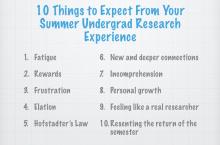
After publishing the blog post “10 Things to Expect” I received requests for some summer research “survival tips.” I’m happy to provide the same tips I give my new undergrads at the start of a summer experience.

 A list of 10 things that are split between two columns. The first column lists 1. Fatigue. 2. Rewards. 3. Frustration. 4. Elation. 5. Hofstadter's Law. The 2nd column lists 6. New and deeper connections. 7. Incomprehension. 8. Personal growth. 9. Feeling like a real researcher. 10. Resenting the return of the semester.

— from the Lab Manager's bench

For some undergrads, this summer will be spent lounging on the beach reading and hanging out with friends. Days will be spent blissfully sleeping until a parent annoyingly insists that it’s time to get up and do something.

But alas that’s not for you.

12
Apr

The One Letter to Rule Them All

THE ONE LETTER TO RULE THEM ALL  how to help your research mentor write the strongest recommendation letter. Ask early. Update your CV. Write a self-assessment statement. Send everything in a single email. Stick around. Remember the thank you.

— from the PI’s desk

Why this letter matters so much

As an undergrad, one of the reasons you devoted so much time to a research experience was to earn an epic letter of recommendation--one that speaks to your strengths, resilience, character, self-reliance, cultural competencies, ability to solve problems, and contribute to a group effort.

This letter will be a comprehensive endorsement of your graduate, medical, preprofessional school application, or for a job complete with specific examples that influenced your PI's opinion. This one letter has the potential to outweigh all other letters from a professor whose class you attended, or from someone who oversaw a volunteer program you participated in for a semester.

Pages