STEM

04
Oct

Mentoring Matters with Dr. Jennifer Robison

photo of Dr Robison and family displaying school spirit (Manchester University Spartans) at home

Dr. Jennifer Robison Assistant Professor of biology at Manchester University located in North Manchester, Indiana. Her research program focuses on understanding the molecular and physiological events that occur during abiotic stress in plants. Connect with her on Twitter @JenRobiSci .

Q1:If you had a mentor(s) as an undergrad who you credit for the career path you're on now, please share a little bit about who they were and what they did that made such an impact.

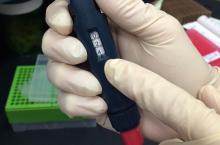
person holding a pipettor, wearing gloves, pointing to the numeric window on the pipettor

—from the Lab Manager's bench

The mysterious ways of mentors

Most mentors do a solid job informing a new undergrad of the basic requirements of a research position. Typically, they cover the expected time commitment, lab safety procedures, lab dress code, and guidelines for writing a pre-proposal or end-of-semester report. When it comes to working at the bench, most mentors remember to share technical tricks with a new researcher, and offer guidance on getting organized, programing equipment, and finding research supplies.

But sometimes, because we have been in science for a long time or because we are distracted by our own research goals, we forget what it was like to be a new undergrad adjusting to a professional lab environment.

15
Jul

Keep in Touch with Your Mentors. You Matter and We Care.

—from the Lab Manager's bench

As a mentor, I don’t stop caring about a former student’s success, well-being, or happiness because they are no longer part of my research group.

I want to know about the life events that they want to share with me—professional and personal--and celebrate when they achieve milestones in either category.

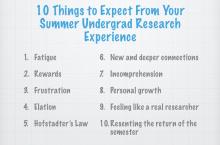
 A list of 10 things that are split between two columns. The first column lists 1. Fatigue. 2. Rewards. 3. Frustration. 4. Elation. 5. Hofstadter's Law. The 2nd column lists 6. New and deeper connections. 7. Incomprehension. 8. Personal growth. 9. Feeling like a real researcher. 10. Resenting the return of the semester.

— from the Lab Manager's bench

For some undergrads, this summer will be spent lounging on the beach reading and hanging out with friends. Days will be spent blissfully sleeping until a parent annoyingly insists that it’s time to get up and do something.

But alas that’s not for you.

a photo of a sandy beach

—from the Lab Manager's bench

Should I stay, or should I go?

For most researchers, working in the lab over a holiday break is somewhat different from working in the lab during the rest of the year. For example, if an experiment has flexibly, it can be started or stopped when it's convenient for the researcher instead of planned around seminars, classes, and campus parking issues.

In addition, some researchers take a vacation, adopt unconventional work hours, or hide in their office to work on a manuscript and only visit the lab to search for inspiration, a snack, or a temporary distraction.

10
Feb

Is an Independent Project Required for Co-authorship?

photo of hands wearing blue gloves pouring a solution into a tube

—from the Lab Manager's bench and the PI's desk

The inquires we receive about earning a co-authorship from undergrads in the lab typically consist of a summary of their project and a request to evaluate if it's "independent enough."

In many cases, the undergraduate is wondering if they have produced enough independent work to write a thesis (most have by our account), but others wish to know if they will be included as co-author on a journal article or elsewhere.

Pages